
The Red Thread: A Conversation with Tom Parfitt on 'Why We Write'
On his Arvon* debut, Tom Parfitt brought a wealth of knowledge and creative expertise to fledgling writers grappling with their ideas deep in the Shropshire hills.

The fifth in a series of ‘Why We Write’ conversations with extraordinary writers on my Arvon writing course.
Tom Parfitt doesn’t just write about the world; he embeds himself within it. A celebrated journalist for outlets like The Times and The Guardian and a long-time expert on Russia, Tom is the author of the critically acclaimed book, High Caucasus: A Mountain Quest in Russia’s Haunted Hinterland. This remarkable travelogue, which was shortlisted for both the Pushkin House Book Prize and the Edward Stanford Travel Book of the Year, established him as one of the most resonant voices in modern narrative non-fiction.
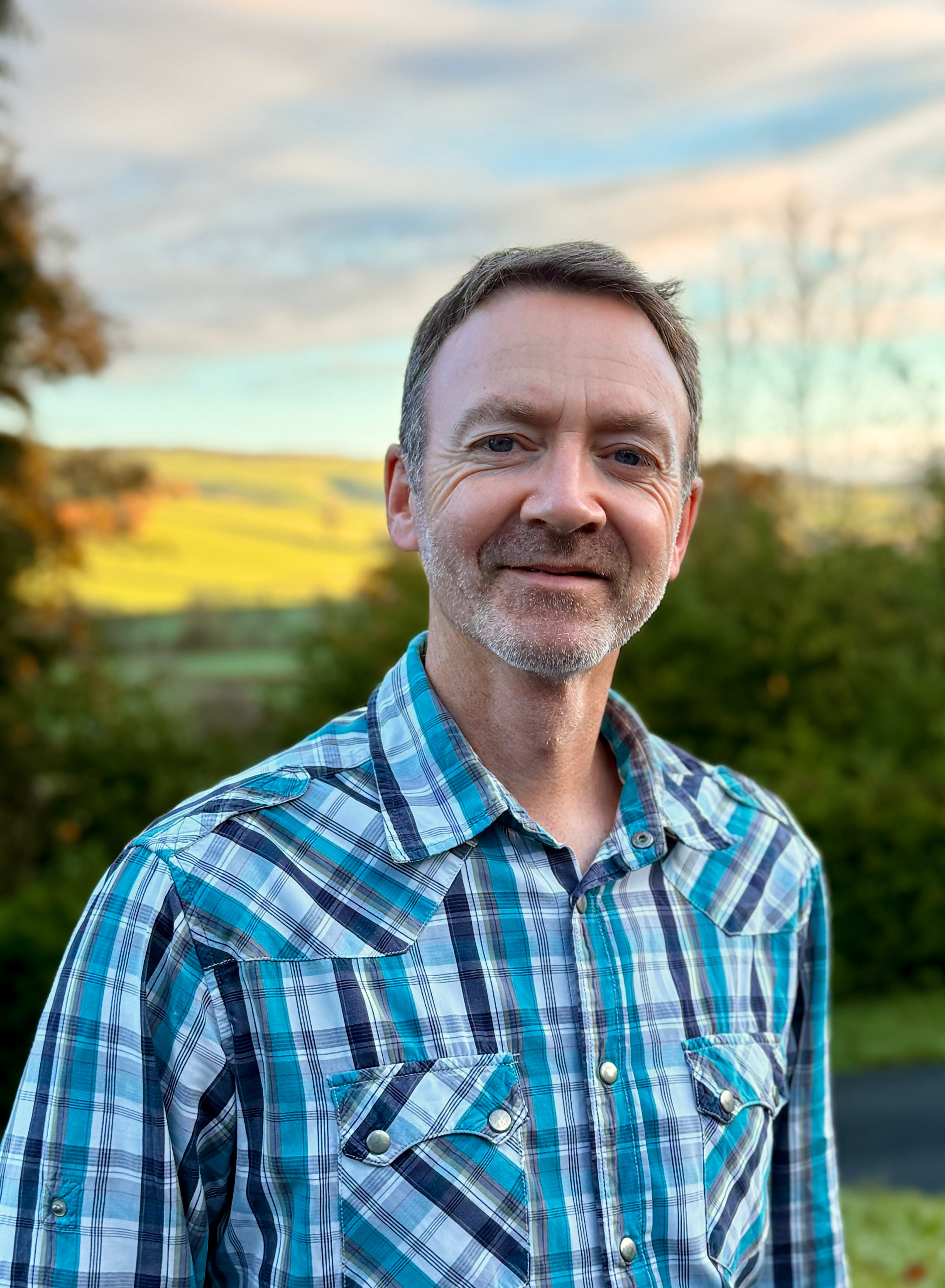
Now, Tom is bringing his expertise to the classroom, co-tutoring the Arvon narrative non-fiction course—his first time instructing at the leading writer’s retreat. As a participant in his inaugural week, I had the privilege of sitting down with Tom to discuss his philosophy on writing, the challenge of condensing profound experience into narrative, and the difficult beginnings of an important work at this time when Russia is engaged in hybrid war.
The Humbling Privilege of Tutoring
When I asked Tom about his first Arvon experience, his answer was immediate and heartfelt.
“It’s been immensely rewarding, and kind of humbling,” he began. “People have such incredible stories, interesting backgrounds. Some people have been through a lot, and they’re thinking about putting that into words. I hesitate to use the word inspiring—it feels like such a cliché, doesn’t it—but it probably really has been that, I think.”
He described his joy in the collaborative craft of writing here: “I’m a writer, so I enjoy thinking about writing, thinking about books, thinking about how you put the words in the right order, and it’s been a joy to do that with other people.”
This shared purpose—the collective love of putting words to paper—is what makes the Arvon experience so unique. Tom, however, quickly elevated this observation to a broader theme for literature itself.
“If you think about literature as a whole, both fiction and non-fiction, it is in many ways a project in empathy about people telling their stories and about us reaching out to each other and saying, ‘you’re not alone in the world.’ Writing is a way for us to share that. Trying to help people put their experiences into words is a privilege.”
This neatly encapsulates the core theme of my blog series: Why We Write.
Catharsis, Therapy, and the Outward Gaze
We discussed the idea of writing as a therapeutic act—a process of catharsis that many believe is the primary reason for writing a memoir or personal narrative.
“I think it can be,” Tom conceded. “My personal feeling is that that’s important, but that writing shouldn’t be therapy alone. It should be both introspective and outward looking.”
His advice to new writers is to look beyond the self: “If we’re going to write our own experiences, we should maybe do that in a way which, as I was saying, reaches out to other people... writing may reflect other lives and not just looking within our own.” He reminded me that this outward gaze is ultimately what appeals to a reader, as they seek to associate what they read with elements of their own life.
The Challenge of the ‘Red Thread’
One of the most challenging aspects of the tutoring week, Tom noted, was the brief 20-minute tutorial slot. This limited time made the task of helping the sixteen students find their core narrative theme a specific challenge.
“I’ve talked with the students about the idea of trying to identify what the French call the ‘red thread’ (le fil rouge),” he explained. “To find the essential motif, or the dominant narrative theme of what they’re writing, and try to thrash that out.”
He then applied this concept to his own acclaimed work, High Caucasus. His journey, a 2008 walk between the Black Sea and the Caspian Sea, was not a simple travelogue; it was profoundly linked to his earlier experiences in the region.
The core motivation for his walk was twofold:
Personal Healing: “A way for me, personally, to come to terms with what I’ve seen.”
Societal Root-Finding: “To try and dig down into the soil, if you like, and find out from what that violence had sprung, sprouted.”
This violence stemmed from the devastating Beslan school siege in 2004, where Tom had reported on the tragedy where over 300 people, including more than half children, died after a hostage-taking by Islamist militants.
The book, therefore, became a powerful exploration of the lingering trauma and historical roots of conflict in the region, using his physical journey as the framework for his search.
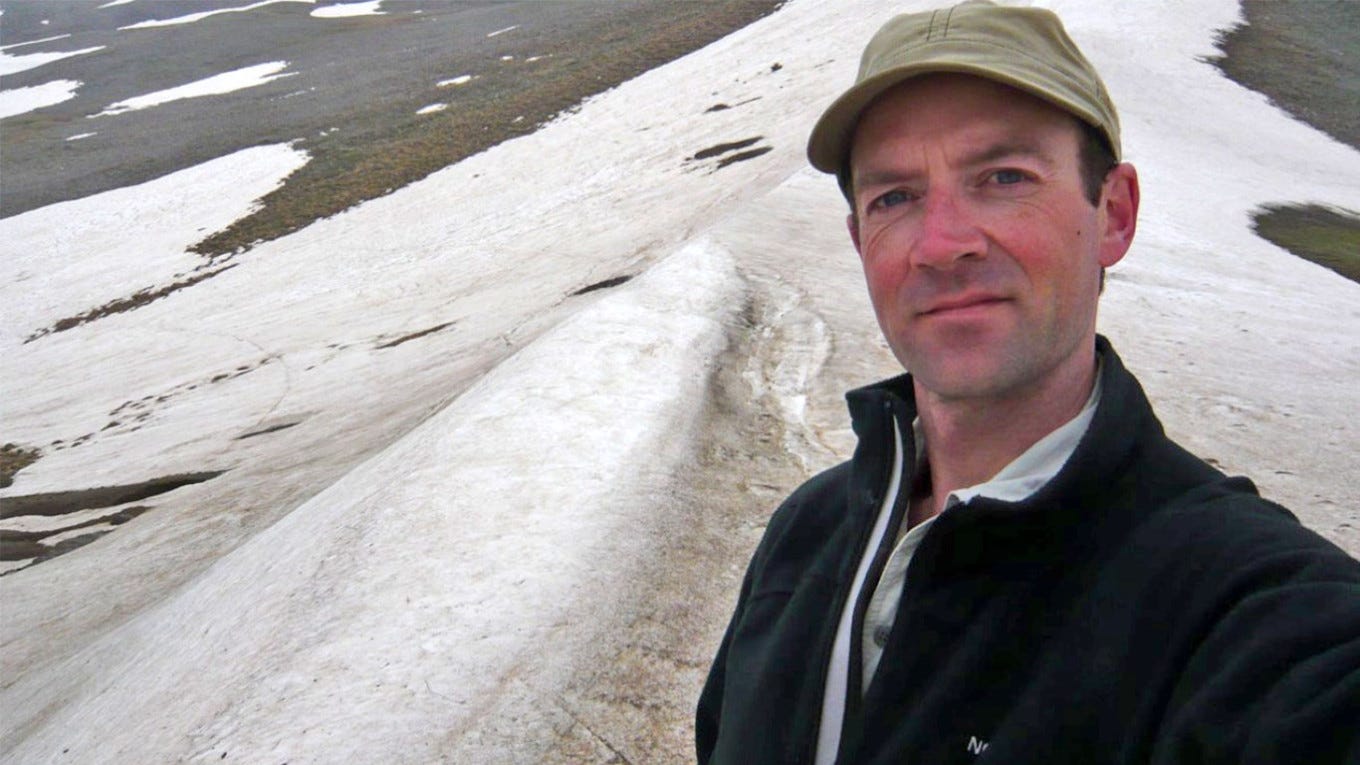
Creating a Story Arc: From Linear Journey to Boreal Forest
Tom is currently working on his next book, a project that presents an entirely different set of narrative challenges.
The new book, focused on the boreal forest—the vast, sub-Arctic, mostly coniferous northern forests of the world—is about the people who live in them across Russia, Canada, and Alaska. Having had to leave Russia in 2022 due to the political situation, Tom has been making research trips to Northern Quebec and Alaska.
Unlike High Caucasus, which was built on a single, linear journey, the boreal forest book is far more disparate.
“I have to find my own way of ensuring there’s a red thread,” he noted, acknowledging the very challenge he’s been discussing with his Arvon students. “It feels like a bit more of a challenge in the writing, because I have to find my own way of creating a story arc.” He is currently immersed in the process of shaping this sprawling material into a coherent narrative.
Tom’s “Show and Tell” Advice to Aspiring Writers
Finally, I asked for Tom’s advice for the non-writers reading this blog—those who dream of writing a book but haven’t taken the first step.
His advice was grounded in the importance of intention and having a solid concept.
“You really need to know why you’re doing it and have a concept of the idea or the thesis that you have,” he said. “What are you trying to tell people through your story? It’s probably not just enough to move through the scenery of the story.”
He then offered a subtle refinement on the classic creative writing mantra:
“People often talk about show, don’t tell... But I believe in show and tell. I think both of them are important.”
Tom explained that you need to show the actions, scenes, and characters—the beautiful craft—but you also need to tell the reader the importance and the meaning of what you are discussing.
“You need to have an idea trajectory through your book about what you’re trying to say to the world with these things that you’re telling. It’s not enough just to have a glorified diary. It’s got to be interesting to the reader. It has to have a point.”
On that note, Tom Parfitt encapsulated a core purpose for all of us at Arvon: our writing must reach out, have a point, and ultimately, it must connect our experience with the reader’s humanity. It’s a privilege to learn from a writer who so clearly demystifies the process, reminding us that finding that ‘point’ is the key to turning a personal experience into a compelling story for others.
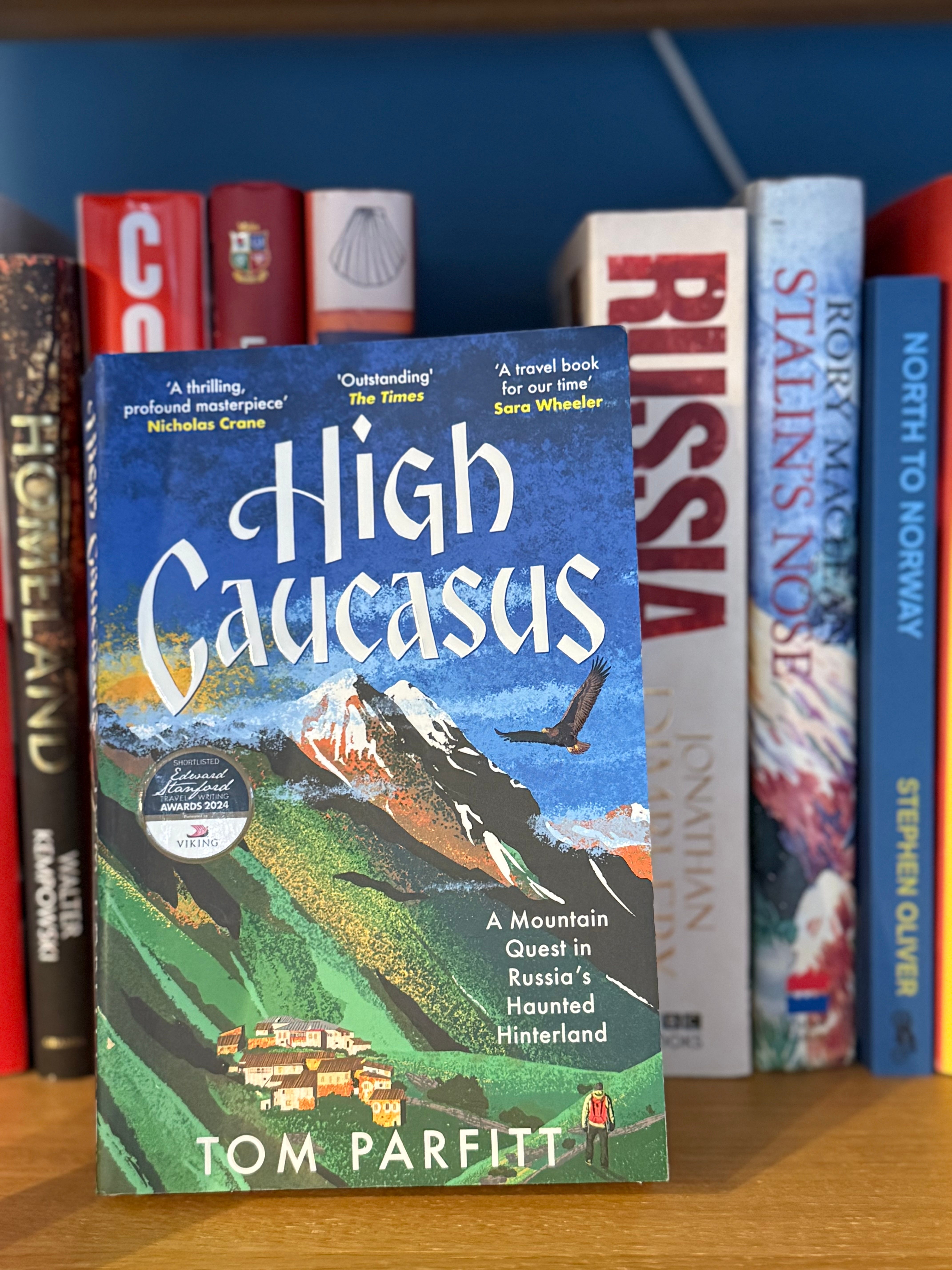
Tom’s book is available in all good bookshops, on Amazon, Bookshop.org and of course through: Headline Publishing.
*For readers who don’t know, Arvon is a charitable organisation that runs residential creative writing courses and retreats in the UK, offering people time and space to write.
I particularly enjoyed reading the section “Show and Tell” advice to aspiring writers
You really need to know why you’re doing it!!
What a great bunch of authors-must have been an exhilarating experience